






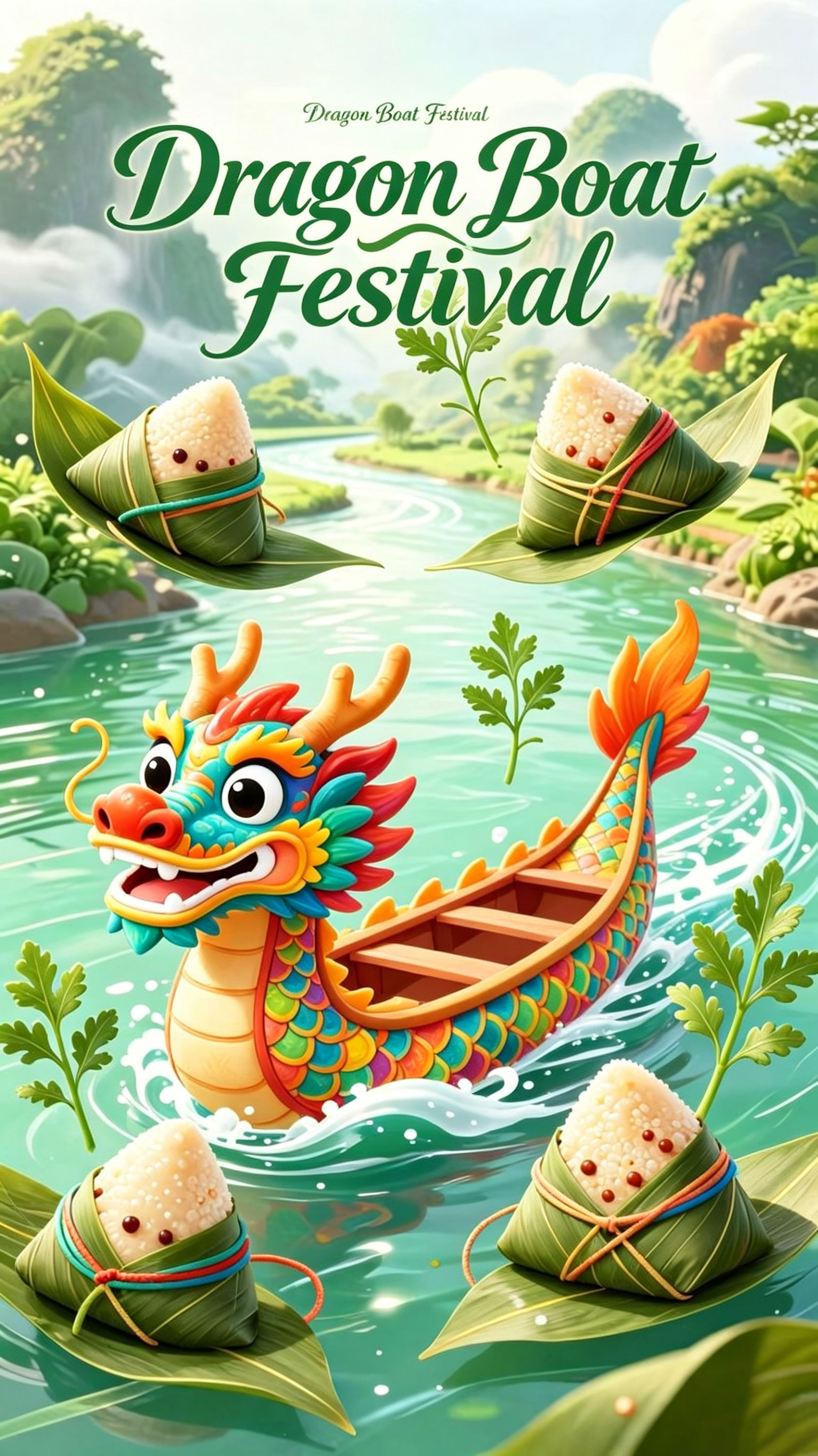



Dragon Boat Festival Guide: History, Traditions and Cultural Significance of China’s Duanwu Festival
Observed on the fifth day of the fifth lunar month, the Dragon Boat Festival (Duanwu Festival) is one of China’s four major traditional festivals. Also known as the Double Fifth or Midsummer Festival, it boasts more than twenty alternative titles, representing one of the country’s most diverse and culturally profound folk celebrations. AsChina’s first traditional festival inscribed on the UNESCO Representative List of the Intangible Cultural Heritage of Humanity, Duanwu spans over 2,500 years of history. Passed down through generations, it embodies ancient Chinese wisdom for seasonal adaptation and disease prevention, as well as the timeless cultural spirit of honoring virtuous ancestors and upholding patriotism.
What Does “Duanwu” Mean? Ancient Seasonal Wisdom
While widely celebrated, the true meaning behind the festival’s name is less known. In classical Chinese, “duan” refers to the beginning, and “wu” corresponds to the number five. Following the ancient Chinese celestial calendar system, the fifth lunar month is designated as the Wu month, giving rise to the name “Duanwu”, or “the start of the fifth month”. Additionally, the Wu hour marks the peak of positive solar energy in a day. Since the festival falls in midsummer, when natural vitality reaches its annual peak, it is also commonly referred to as the Duanyang, or Midsummer Festival.
In ancient Chinese folklore, the fifth lunar month was regarded as an inauspicious “poison month”. As temperatures rise rapidly and rainfall increases during this period, mosquitoes and pests proliferate, bringing a higher risk of seasonal illnesses and plagues. The fifth day of the month was considered the most inauspicious day of the season. For this reason, the original purpose of the Dragon Boat Festival was to ward off evil influences, prevent epidemic diseases, and pray for health and safety. All traditional rituals center on safeguarding well-being through the summer season — which explains the long-standing custom of blessing others with good health rather than mere festive joy.
The Origins of Duanwu: More Than the Legend of Qu Yuan
The festival is most famously associated with the patriotic poet Qu Yuan. However, today’s Duanwu traditions evolved over millennia through the fusion of multiple ancient folk cultures, with layered origins and rich symbolic meanings.
- Ancient Dragon Totem Worship (The Earliest Origin)
The earliest prototype of the Dragon Boat Festival originates from prehistoric dragon totem worship. Ancient Chinese tribes revered the dragon as their sacred totem and believed dragons became active in the fifth lunar month. Each year on the fifth day of the month, grand ceremonial rituals were held to honor the dragon deity, praying for favorable weather, abundant harvests, and protection from disasters. These ancient rituals are the true origin of dragon boat racing and the oldest cultural root of Duanwu Festival.
- Tribute to Poet Qu Yuan (The Mainstream Origin)
During the Warring States Period, Qu Yuan, a devoted and upright patriotic poet, served his state with loyalty but was framed by corrupt officials and exiled in despair. On the fifth day of the fifth lunar month in 278 BC, drowning in sorrow for his fallen homeland, he took his own life by jumping into the Miluo River. Local villagers, deeply moved by his integrity and patriotism, rowed boats to search for his body and tossed glutinous rice dumplings into the river to keep fish and shrimp from harming his remains. Passed down through thousands of years, this touching story has endowed Duanwu with the profound spiritual core of honoring virtuous predecessors, upholding loyalty and righteousness, and embodying national patriotism, forming the festival’s most cherished cultural essence.
- Other Folk Legends and Origins
Beyond the two dominant origins, local folklore also includes tributes to historical figures Wu Zixu and Cao E. The festival further integrates ancient midsummer traditions for disease prevention and physical wellness. After thousands of years of cultural evolution and fusion, Duanwu has developed into a comprehensive festival embracing blessings, gratitude, patriotism, and seasonal health preservation.
Traditional Duanwu Customs: Ancient Life and Health Wisdom
Celebrated nationwide, Duanwu customs balance practical wellness purposes and ceremonial traditions. Centered on eliminating pathogens, repelling evil energy, and maintaining seasonal health, each ritual carries the sophisticated life philosophy of ancient Chinese people.
- Hanging Wormwood and Calamus for Purification
A time-honored Chinese proverb states: “Willows adorn Qingming, while wormwood adorns Duanwu”. During the festival, families hang fresh wormwood and calamus on doorframes and windows. Wormwood releases a natural aromatic scent that repels insects and inhibits bacteria, while sword-shaped calamus is believed to ward off negative energy. As an old saying goes, “Wormwood invites blessings, and calamus dispels evil”. These two natural herbs purify indoor air and deter pests, serving as an essential ancient summer health protection practice. This tradition was officially recorded in the ancient classicRecords of Jingchu Customs.
- Wearing Sachets and Five-Color Strings
During Duanwu, adults and children alike wear handmade sachets and five-color string bracelets. Sachets are stuffed with natural medicinal herbs including wormwood, clove, and angelica, producing a mild fragrance that calms the mind, repels mosquitoes, and dispels dampness. The five-color string represents the five fundamental elements of nature — metal, wood, water, fire, and earth — symbolizing cosmic balance, blessings, and protection from misfortune. Folk tradition holds that the strings should not be cut or removed early. After the festival’s first rainfall, people cast the strings into flowing water, believing they carry away illnesses and bad luck, leaving peace and good fortune behind.
- Eating Zongzi: The Iconic Festival Tradition
Zongzi, or glutinous rice dumplings, are the most iconic and universally enjoyed food of the Dragon Boat Festival. Originally created as sacrificial offerings for ancestors and deities, zongzi later became a tribute to Qu Yuan as his story spread across the nation. Glutinous rice is gentle on the stomach and perfectly suited for midsummer digestion, especially when paired with grains, fruits, or meat fillings. After thousands of years of development, zongzi has formed distinct northern and southern regional styles, becoming the definitive culinary symbol of Duanwu.
- Dragon Boat Racing: Spirit of Unity and Courage
Dragon boat racing is the most dynamic and spectacular Duanwu tradition. Evolving from ancient dragon worship ceremonies and later merged with the Qu Yuan legend, the sport features teams rowing in unison to rhythmic drumbeats. The thrilling boat races showcase collective collaboration and fearless perseverance, embodying the national spirit of unity, dedication, and relentless progress. Today, dragon boat racing has developed into a popular cultural tourism event and competitive sport across China and worldwide.
- Warding Off the Five Poisons and Herbal Wine Customs
Ancient Chinese people categorized snakes, scorpions, centipedes, geckos, and toads as the “Five Poisons”, creatures that breed rampantly in midsummer and threaten human health. To counter these seasonal hazards, traditional customs emerged including hanging Five Poisons paintings, eating themed pastries, and drinking realgar and calamus herbal wines. These rituals served to repel pests, prevent seasonal diseases, and safeguard summer health, fully reflecting ancient people’s practical wisdom for living in harmony with seasonal changes.
Northern vs. Southern Duanwu: Diverse Customs, Unified Blessings
Due to China’s vast geographical landscape, Duanwu traditions vary noticeably between northern and southern regions. Despite diverse local customs, the core festival blessing of health, peace, and well-being remains universally shared.
Dietary Differences: A classic regional divide exists: salty zongzi in the south, sweet zongzi in the north. Southern-style zongzi features savory fillings such as pork, salted egg yolk, and ham with a rich, glutinous taste. Northern zongzi favors sweet fillings like red dates and red beans for a fresh, mild flavor. Additionally, southern regions observe the “Five Yellow Foods” custom, consuming five types of yellow-colored seasonal ingredients to ward off illness. Northern communities prefer seasonal fresh fruits and traditional Five Poisons pastries.
Activity Differences: With abundant river systems, southern China centers Duanwu celebrations on lively dragon boat races. In contrast, northern China has fewer waterways, so festival traditions focus more on intimate family rituals: hanging medicinal herbs, wearing sachets and colored strings, summer outings, and wellness practices, creating a quiet, warm festive atmosphere.
Cultural Heritage: A Festival Embedded in National Identity
In 2006, the Dragon Boat Festival was listed in China’s first batch of National Intangible Cultural Heritage items. In 2009, it earned global recognition by being inscribed on the UNESCO Intangible Cultural Heritage List, becoming a prestigious cultural symbol showcasing traditional Chinese civilization to the world.
Today, the Dragon Boat Festival has evolved far beyond a traditional folk celebration. It preserves ancient wisdom of respecting nature and protecting life, inherits the noble spirit of patriotism and moral integrity, and carries the Chinese people’s sincere wishes for family harmony and personal well-being. From ancient seasonal rituals to modern cultural celebrations, Duanwu continues to pass down traditional Chinese culture and nourish generations of people.
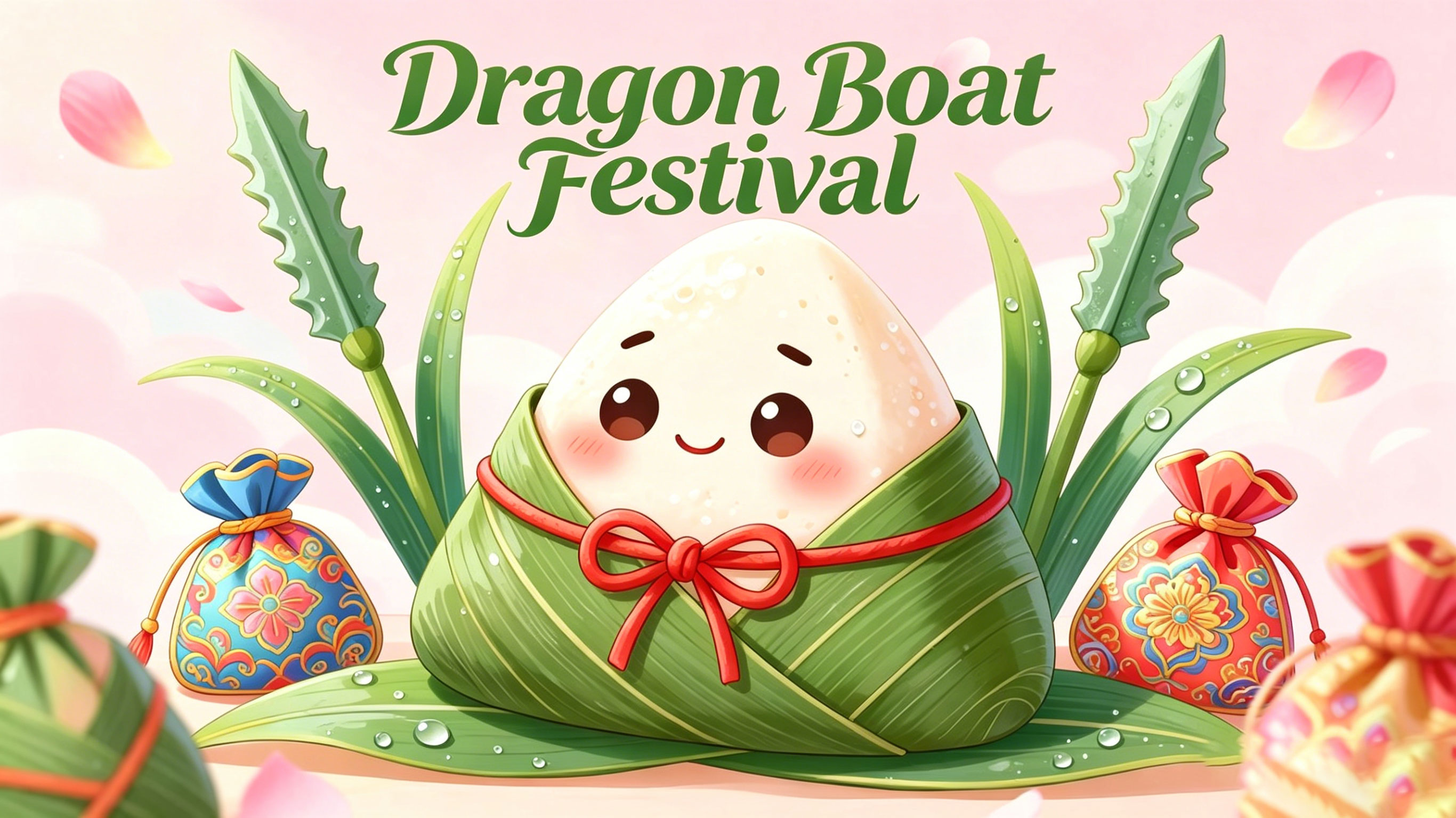
The summer solstice brings the traditional Dragon Boat Festival with fresh mugwort leaves and sweet zongzi. All employees of Aogubio extend our warmest festival wishes to every customer who has trusted and supported us over the years. Supported by complete international certifications, we always adhere to strict production standards to deliver premium raw materials. Wish you a joyful festival, happy family and prosperous business. Let’s keep moving forward hand in hand.
All staff of Aogubio wish you a happy and healthy Dragon Boat Festival!